
Hiking
Multi-day hiking is a rewarding experience, but the challenges you face change drastically depending on the season. Summer requires you to manage heat, hydration, and sudden storms, while winter is a battle against thermodynamics and moisture management.
Here are the 5 best tips for multi-day hiking in summer and winter, curated to help you stay safe and comfortable.
☀️ Top 5 Tips for Summer Multi-Day Hiking
Summer hiking offers long days and lighter pack weights, but heat exhaustion and dehydration are real risks.
1. Master the "Alpine Start" and Mid-Day Siesta
Heat is your biggest enemy. Adopt a schedule where you wake up and start hiking by dawn (or earlier). This allows you to knock out the hardest miles during the coolest part of the day.
* The Strategy: Hike hard from 6:00 AM to 12:00 PM. Find a shaded spot near water to rest during peak heat (12:00 PM – 3:00 PM), then resume hiking in the late afternoon. This also helps you avoid common afternoon thunderstorms in mountainous regions.
2. Aggressive Electrolyte Management
Drinking water isn't enough; if you sweat profusely for days without replacing salts, you risk hyponatremia (water intoxication).
* The Strategy: For every liter of water you consume, ensure you are ingesting electrolytes. Carry powder packets or salt tabs. If your clothes dry with white salt stains, you are losing minerals rapidly and need to increase your intake immediately.
3. Switch to a "Sun Hoodie" System
Old wisdom suggested wearing as little as possible, but direct sun on skin actually raises body temperature and increases fatigue.
* The Strategy: Wear a loose-fitting, light-colored, synthetic "sun hoodie" (UPF 50+). It creates a micro-climate of shade around your upper body. It is often cooler than a t-shirt because it wicks moisture while blocking the sun’s radiant heat.
4. Foot Care: Manage the "Maceration"
In summer, your feet sweat significantly. Wet skin becomes soft (maceration) and tears easily, leading to blisters.
* The Strategy: Take your shoes and socks off during every break to dry your feet. Rinse socks in streams to remove salt crystals (which act like sandpaper) and pin them to your pack to dry while you walk. Consider lighter, non-waterproof trail runners instead of heavy waterproof boots, as they dry much faster.
5. Plan for Dry Water Sources
Seasonal streams that flow in spring often vanish by July or August.
* The Strategy: Do not rely on outdated maps. Check recent trip reports (apps like FarOut or AllTrails) to verify water sources are still flowing. Always carry the capacity to haul extra water (3–4 liters) for "dry stretches" where you might have to camp without a water source nearby.
❄️ Top 5 Tips for Winter Multi-Day Hiking
Winter hiking is less about mileage and more about thermal regulation. The margin for error is much smaller; staying dry is the key to staying alive.
1. "Be Bold, Start Cold"
The biggest mistake in winter is overheating. If you sweat into your base layers, that moisture will freeze the moment you stop moving, leading to rapid hypothermia.
* The Strategy: When you leave camp in the morning, strip down to your base layer and a shell. You should feel chilly before you start moving. You will warm up within 15 minutes. Save your puffy down jacket strictly for rest stops and camp.
2. Protect Your Water and Filters
Water freezes from the top down, and standard hollow-fiber water filters (like Sawyer or Katahdin) are permanently ruined if water freezes inside the fibers.
* The Strategy:
* Filters: Keep your filter in a ziplock bag inside your jacket during the day and at the bottom of your sleeping bag at night.
* Bottles: Store water bottles upside down (so the ice forms at the bottom, not the cap) and use insulated covers or wool socks to keep them warm.
3. Prioritize "R-Value" Over Sleeping Bag Rating
You can have a -20°F sleeping bag, but if you sleep on a summer pad, you will freeze. The cold from the ground sucks heat away faster than cold air.
* The Strategy: You need a sleeping pad with a high R-value (measure of thermal resistance). For winter, aim for an R-value of 5.0 or higher. You can achieve this by stacking a closed-cell foam pad (like a Therm-a-Rest Z Lite) underneath an inflatable insulated pad.
4. The Hot Water Bottle Hack
Nights are long and cold in winter (sometimes 14+ hours of darkness). Generating heat inside your sleeping bag can be difficult.
* The Strategy: Before bed, boil water and pour it into a leak-proof Nalgene bottle. Put the bottle inside a spare wool sock and place it in your sleeping bag (between your thighs or at your feet). It acts as a heater for 4–6 hours, and you have unfrozen water ready for morning coffee.
5. Battery Preservation
Lithium-ion batteries (phones, GPS, headlamps) drain rapidly or shut down completely in freezing temperatures.
* The Strategy: Never leave electronics in your backpack overnight. Keep them in an interior pocket close to your body heat during the day, and inside the footbox of your sleeping bag at night. Bring a power bank with more capacity than you think you need.
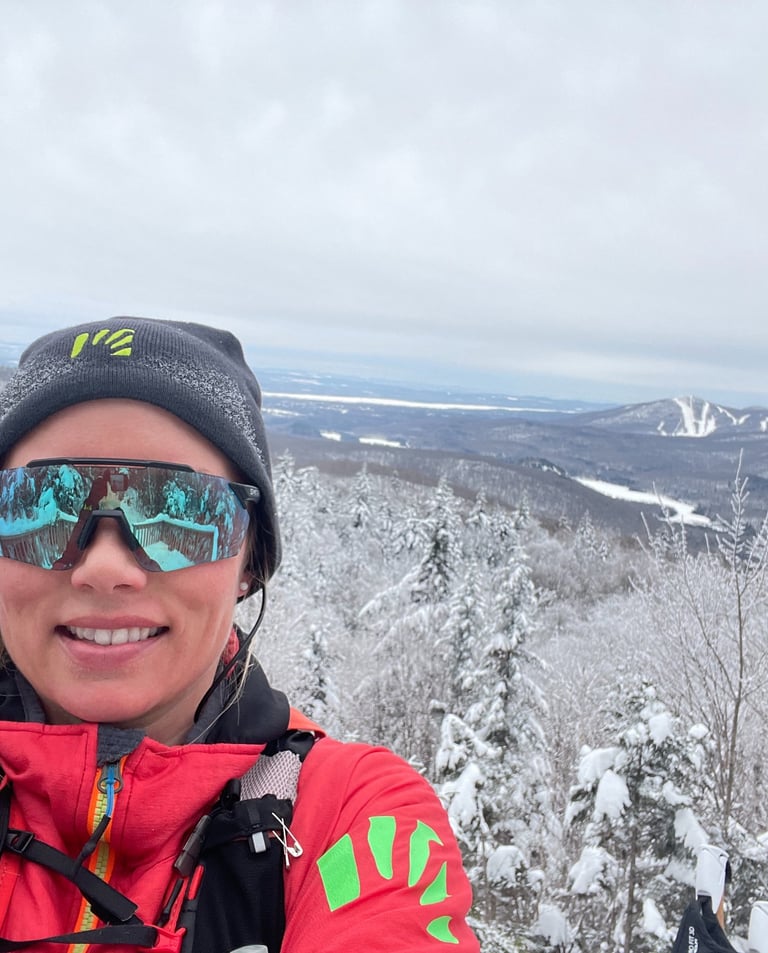
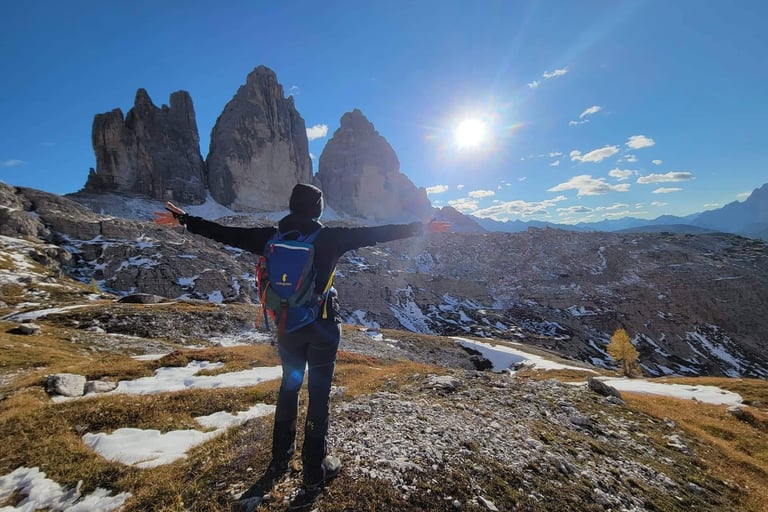
Galery
Hiking is the most intense way to experience a landscape. We perceive it with all our senses, feel the texture of the ground under our feet and smell the scents of the plants. Hiking leaves traces in our memory that accompany us for a lifetime.


Products I like
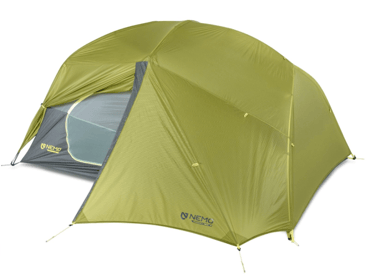
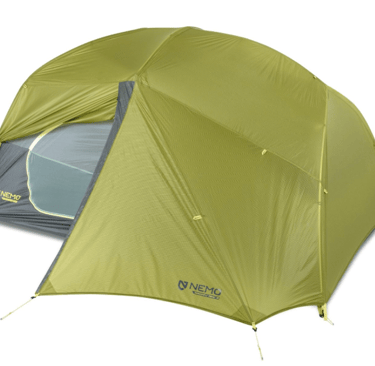
Dragonfly OSMO™ Ultralight Backpacking Tent
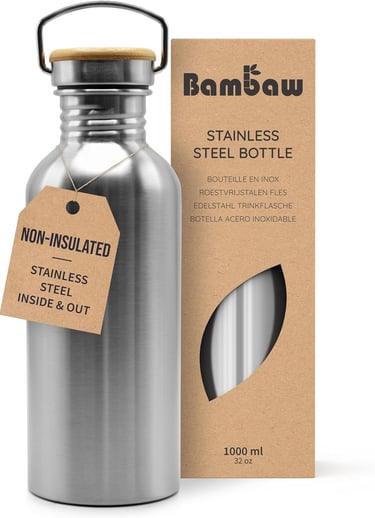
Meet your new trail companion: a stainless steel water bottle built for hikers who refuse to compromise. Weighing far less than traditional metal bottles, it slips into your pack with ease, so you can carry more water and fewer excuses. No plastic touches your beverage—every sip stays clean, pure, and free from unwanted flavors, letting you taste the terrain rather than the container.
This bottle isn’t just about hydration; it’s about resilience. Fabricated from rugged stainless steel, it stands up to rocky paths, sudden rain, and long days under the sun. Its fire-resistant construction opens a bold, practical possibility: you can gently warm water by placing the bottle above a portable flame. It’s not a toy, but a thoughtful feature for emergency situations, cold mornings, or when a hot rinse helps set your pacing. Always exercise caution and follow safety guidelines when heating, and never leave unattended near flames.
Lightweight, durable, and free from plastic, this bottle is easy to clean, corrosion-resistant, and built to last. Hydration should fuel your adventure, not weigh you down.
Large Water Bottle with Lid | Steel Water Bottle Insulated | Outdoor Water Bottle | Bambaw
the Dragonfly OSMO distinguishes itself as a "better" choice through specific material innovations and smart livability features:
Superior Fabric Technology: The proprietary OSMO™ fabric is a major upgrade over standard nylon. It stretches 3x less when wet (preventing the tent from sagging in the rain) and offers 4x longer-lasting water repellency.
Optimized Interior: Unlike standard lightweight tents that feel cramped, this uses pre-bent poles to maximize volume at the head and foot. It also features a Nightlight Pocket™ that turns your headlamp into a warm, ambient lantern.
Smart Packing: It includes the Divvy Cube™, a rectangular stuff sack that packs more efficiently into a backpack than traditional round sacks and makes it easy to split the weight with a partner.
Sustainability without Compromise: It achieves this high performance while being PFAS-free and made from 100% recycled yarns, meeting strict ecological standards.
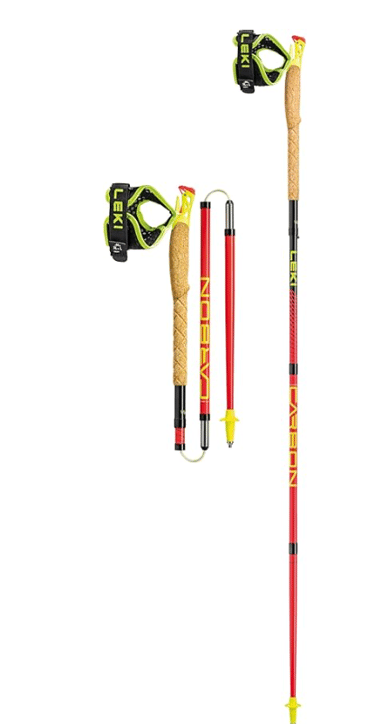
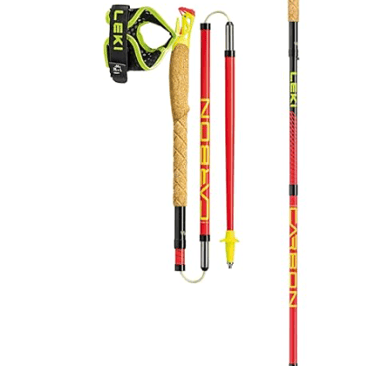
LEKI Ultratrail FX.One Carbon Collapsible Lightweight Trekking Poles for Hiking & Trail Running
Ultra Poles For Any Trail Run | Ultralight, collapsible poles designed for training trail runs and race day alike.
Collapsible | At the push of a button, the poles separate into three 16.1-inch sections for compact packability.
Carbon Construction | Keeps an ultralight quarter-pound weight while remaining surprisingly rigid.
Trail Shark Grip | Cork grip conforms to your hand’s shape for better comfort, and the adjustable mesh strap detaches for the efficiency that trail runners appreciate.