
In the quiet rhythm of my family’s garden, I’ve learned that true self-sufficiency is less a destination than a daily practice. Each season arrives like a new invitation, offering small tasks that accumulate into a larger sense of trust: trust in the soil, in the sun’s arc, in the hard-won knowledge that patience is a harvestable crop in its own right. The flavor of food grown with care—without shortcuts—tells the story of that trust. The taste is simply better, richer, and the meals feel more nourishing when they come from a plot tended with intention and respect.
Autonomy in the garden is not a solitary pursuit but a shared ethic on my family’s farm. Every corner of the land teaches a lesson: the way beans climb a trellis mirrors the patience required to observe, the way onions store their sweetness through frost reminds us of resilience, and the quiet swoop of a hawk overhead highlights the balance of the ecosystem. Throughout the seasons, the work remains constant and rewarding. In spring, we prepare beds, save seeds, and welcome new life. Summer brings abundance—tomatoes warmening in the sun, peppers crisp at the edge of their heat, herbs filling the air with fragrance. Autumn asks for careful preservation: jars sealed with the memories of late harvests, roots tucked into sand for winter, and fruit reduced to syrups and compotes that sing with orchard sunlight. Winter slows the pace, but the task of keeping food nourishing continues through fermentation and drying, a testament to how kitchens become laboratories of self-reliance.
On our family farm, caring for animals is part of the same philosophy. Their well-being informs our farming choices and, in turn, our harvests. A legacy of stewardship binds us: livestock that thrive, poultry that flourish on scraps and greens, bees that hum with the health of the hedgerows. Each creature matters, each cycle of feed and rest interlocks with the land’s own cycles. This interconnectedness deepens my appreciation for the seasons and for the work that keeps a small farm vital.
Natural pest management is a cornerstone of our approach. We favor living solutions: diverse plantings to confuse pests, beneficial insects that patrol the beds, and compost that returns nutrients to the soil. We prune, mulch, and rotate crops to minimize disease, always aiming to nurture the soil’s microbiome as the primary source of resilience. When it comes to protection, we lean on ancestral wisdom—crop diversification, companion planting, and early intervention—alongside organic and biodynamic practices. Biodynamics, in particular, connects us to the rhythms of the moon and the celestial in a way that feels both scientific and spiritual: a reminder that the garden is part of a larger, living system.
There is also a joyful paradox in gathering medicine from nature. The forest holds remedies—forest tea blends, wild herbs, berries—carefully used for the good of family and animals. We harvest with gratitude and knowledge, never wasteful, never reckless. The result is a pantry of what the land offers, a confidence in home remedies, and a belief that health begins where we invest effort and integrity.
In truth, the garden teaches me to savor the process as much as the product. Self-sufficiency is a lifelong practice, a tapestry woven from soil, season, animal care, and the shared labor of family. And when we sit at table and taste what we’ve grown, we know the journey has been worth every careful season.


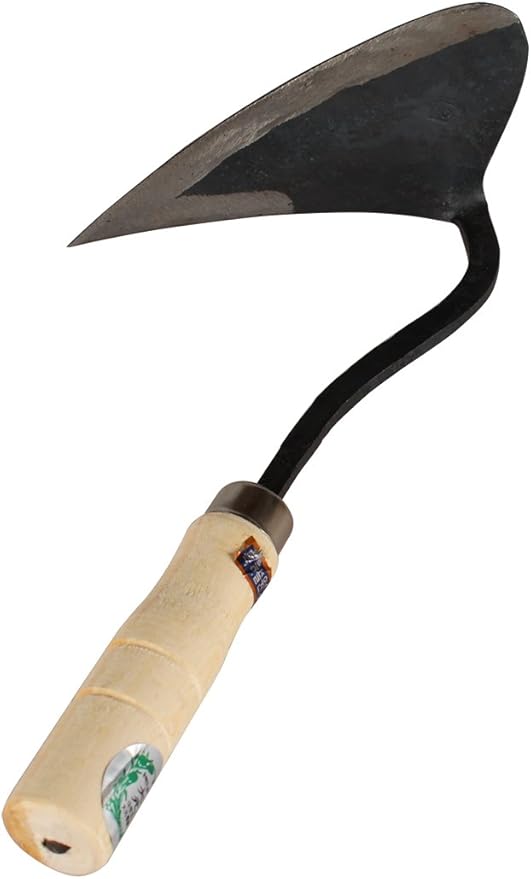
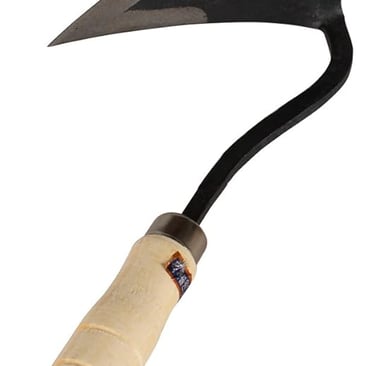
Products I like in the gardens
Un aperçu visuel de la vie à la ferme et mes aventures


Jardin paisible